
Knowledge
Moisture-Sensitive Work: Why 99.9% Acetate Matters
Which processes actually need 99.9%, and where the 99.8% grade performs just as well without the premium.

Technical
2026-09-15
At the 99.9% level the impurities that remain are water and ethanol at 0.02% each. They enter from production, tank headspace, pipework and every transfer the lot passes through on its way to the drum.
For esterification, Grignard and other metal-organic work, that trace load is what the yield reads. Water consumes reagent stoichiometrically, and the loss shows up as a yield drop long before any specification is exceeded.
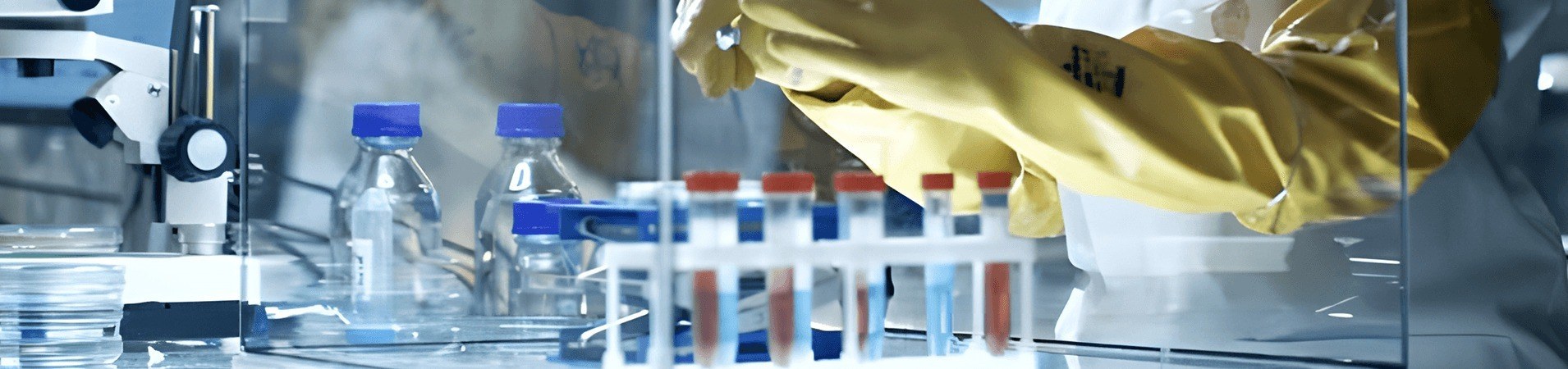
Sampling decides whether the certificate and the drum agree. Dry glass or stainless tools, Karl Fischer titration on site, and no open containers between the sample point and the laboratory.
Storage picks moisture up too. The rate depends on drum type and the headspace left after each draw, which is why 99.9% lots are best scheduled into production rather than parked half-full.
Related Product
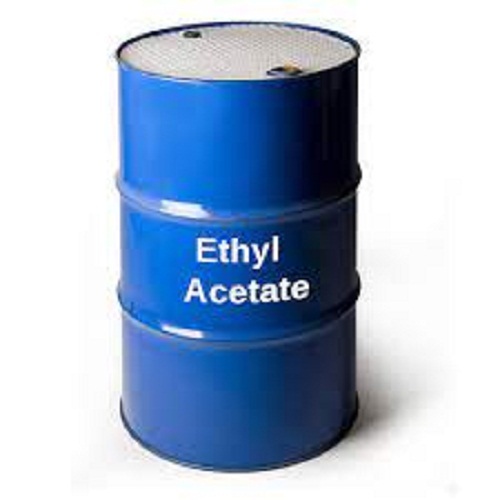
Highest-purity grade for moisture-sensitive synthesis and precision cleaning.
More Reading
Knowledge
Which processes actually need 99.9%, and where the 99.8% grade performs just as well without the premium.

Commercial
Why 99.9% costs more, how to verify lot data, and when the premium pays back in yield.
Contact
Send the grade, the volume and the destination port. A named contact replies within one working day.
Kristy Chen
 Scan to WhatsApp